Share
Broadcast Tech Talks
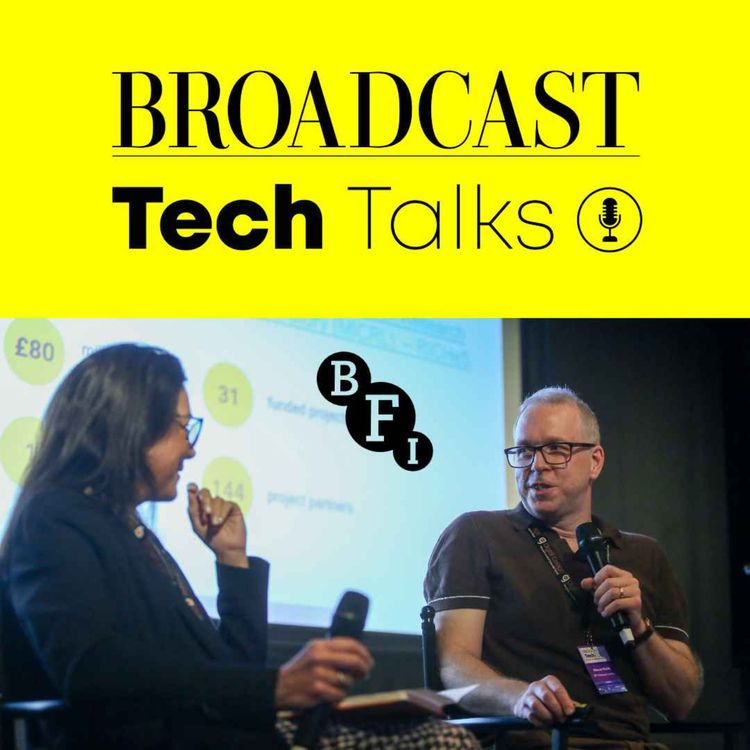
The BFI National Archive at 90
As the British Film Institute National Archive marks its 90th year, join Heidi Shakespeare, CEO of Memnon in conversation with Kieron Webb, head of conservation at the BFI, to explore how the organisation is safeguarding the nation’s screen heritage while preparing for the future of film and television.
This short discussion charts the BFI National Archive’s journey from its pioneering preservation work to today’s world of digital access and streaming, including how contemporary works are being archived for generations to come.
Highlights include this year’s Film on Film Festival, featuring screenings of the original 1977 Technicolor print of Star Wars, alongside recent BFI projects such as the restoration of one of the earliest Silent screen adaptations of Sherlock Holmes and the addition of the surviving Victorian 68mm Biograph films to UNESCO’s International Memory of the World Register preserved in the collections of Eye Filmmuseum (Amsterdam), BFI National Archive, MoMA, Museum of Modern Art (New York) and the CNC, Centre national du cinéma et de l’image animée (Paris).
This podcast was recorded live at the Broadcast Tech Fest Archive & Restoration Forum, held at Everyman Kings Cross on 2 October 2025.
More episodes
View all episodes
To Cloud or Not to Cloud?
37:13|As cloud adoption grows across film and TV, this panel explores whether it’s the right choice for every production. With insights from industry experts, we weigh the benefits and trade-offs of cloud-based workflows versus local or hybrid alternatives, from cost, connectivity, and scalability to security, storage and long-term archiving. Is the cloud always the smartest move, or are there better options for your budget, workflow, or infrastructure? Whether you’re already in the cloud or considering your next step, this session will help demystify the decision. This episode of the Broadcast Tech Talks podcast was recorded live at the Broadcast Tech Cloud Innovations Forum, held in October last year at Everyman King's Cross.Speakers:Jess Nottage, Operations & Technical Director - Clear Cut PicturesObinna Emmanuel Obi-Akwari, UI/UX Developer - AI & Media Innovation - Deep Fusion FilmsPaul Markham, Host of Cloud Native MediaJames Holmes, Technical Manager - ITNChair: Melissa Carr, Principal Consultant - Consulting Cube
Cloud: Top Tips for Producers
29:15|Broadcast Tech senior reporter Max Miller talks to Sam Lempp from FilmLight, Idunn Sofie Riise from Zille Media and Pete Mercer of Warner Bros Discovery about the opportunities, challenges and essential tools for making a move into the cloud.The session, which was recorded at the Broadcast Tech Cloud Innovations Forum on 16 October 2025, offers a practical overview for producers navigating cloud-based media creation, post-production and collaboration.The panel discuss:The basics of cloud infrastructure and how it differs from traditional on-premises setups. Key benefits: scalability, remote collaboration, real-time asset access, and cost-efficiency. Common risks and how to mitigate them, including data security, latency, and budgeting complexity. How to manage distributed teams using cloud-native tools for asset management, review, and approval. Real-world case studies showcasing cloud-based production workflows in film, TV, and digital content. Whether you’re a seasoned producer or just beginning to explore the cloud, this podcast episode will equip you with the knowledge to lead modern, flexible, and efficient productions. Speakers:Sam Lempp, Head of Business Development - Nara - FilmLightIdunn Sofie Riise, Co-Founder & Managing Director - Zille MediaPete Mercer, Director of Live Production - Sports Events - Warner Bros. DiscoveryChair: Max Miller, Senior Reporter - Broadcast Tech
Is cloud too expensive?
29:40|This episode of the Broadcast Tech Talks podcast discusses whether cloud workflows are too expensive. As cloud technology becomes embedded in film and TV production, one question cuts through the hype, is it really worth the cost? This debate, which was recorded live at the Broadcast Tech Fest Cloud Innovations Forum, brings together industry experts to explain whether, for them, cloud-based workflows save money—or silently drain budgets. The panel debate issues such as public vs private cloud, connectivity issues, security in the cloud, and how to plan and implement a successful cloud strategy.SpeakersChris Sarson, CEO and Co-Owner - The CollectvCara Kotschy, Managing Director & Co-Founder - Residence PicturesJocelin Capper, Senior Creative Business Consultant - Supernova Heights Moderator: Jake Bickerton, Editorial Director - Broadcast Tech
52. Machines as Storytellers: AI in the Archive Room
27:59||Ep. 52The Broadcast Tech Talks podcast sits down with Benjamin Field, CEO of Deep Fusion Films, to explore how AI is revolutionising the documentary filmmaking process. Field shares insights into how his team is transforming the use of archival footage, removing traditional commissioning barriers, and streamlining production—without eliminating the human element. Deep Fusion's in-house developed product Weavr uses genAI to write storylines from archive material and create the first draft of a one-hour documentary using the archive material, all in around 6-7 hours from scratch. The company is using Weavr to create 12 x 1-hour documentaries, created from content in the TopFoto library. These films will be distributed on YouTube next year. The podcast episode was recorded live at Broadcast Tech's Archive & Restoration Forum event held earlier this year at Everyman cinema, KIng's Cross, London. The fireside chat was between Benjamin Field, Co-Founder & Chief Executive Officer, Deep Fusion Films and Charlotte Wheeler, Director, Broadcast Tech.51. Saving the Shows: Looking After Britain’s TV & Film Archives
29:43||Ep. 51This podcast explores the current landscape of film and TV archiving in the UK, what’s working, what’s at risk, and what the future holds. It was recorded live at the Broadcast Tech Fest Archive & Restoration Form at Everyman cinema in King's Cross. Speakers: Tim Forrest, Head of Content Distribution & Commercial Innovation - ITN Bríd Dooley, Head of Archives - RTÉ Tom Dunning, CEO & Co-Founder - Ad Signal Heidi Shakespeare, CEO – Memnon Chair: Jake Bickerton, Editorial Director - Broadcast Tech & Sport Group The discussion covers the following subjects: DEMAND FOR ARCHIVE MATERIAL Has there continued to be a high demand for archive content across different genres in 2025? TECH OBSOLESCENCE AND ACCESSIBILITY OF ARCHIVES How does the availability of tape heads, generations of LTO players/tapes, the fragility of film and the obsolescence of certain storage formats impact archiving decisions? CULTURAL GENOCIDE Why first world countries are benefitting by being able to archive, and why we risk cultural genocide where archives from developing countries could be lost forever. DIGITAL-FIRST CONTENT What is being done to preserve digital-first content? Who is financing this? AI How is AI enhancing the management of archives, and the restoration of content? And how do you stop LLMs from using archive content to train their models. HOW TO STORE ARCHIVES What’s the best way to store rushes and project files that’s both cost effective and helps ensure longevity and easy access – LTO, cloud, hard drives in a cupboard…? This speaker session was sponsored by Ad Signal and Memnon50. What's next for virtual studios?
27:57||Season 1, Ep. 50For this week’s episode of the Broadcast Tech Talks Podcast, senior reporter Max Miller speaks to Warner Bros. Discovery’s director of graphics and innovation, Alex Dinnin, and Vizrt’s head of sport, Andy O’Neil, about the state of play and future of virtual studios. The pair reveal how Warner Bros. Discovery created the TNT Sports studios from scratch, and has managed to centralise its virtual studios for Eurosport across Europe – including innovative uses of space and technology. In addition, they discuss what’s next for virtual studios, and how advances in technology could see them become indistinguishable from real studios for viewers at home.49. The future of AI in post-production
23:36||Season 1, Ep. 49For this edition of the Broadcast Tech Talks Podcast, senior reporter Max Miller speaks to Azimuth head of audio Kate Davis and HHB CTO John Johnson about how AI is changing the way post-production is completed. AI, or machine learning, has long been used in post, but recent years have seen its use grow at an increasing rate. Audio post is one of the most talked about areas for AI, with new tools that can clean up poorly recorded audio, replace dubbing by replicating an actor’s voice in another language, and more meaning that it is a hotbed for innovation. Davis and Johnson reveal what they have already seen being done in the industry, and what could be coming in the next 12 months.48. What AI means for media businesses
24:40||Ep. 48This episode of the Broadcast Tech Talks podcast series was recorded at the AI Creative Summit at BFI Southbank on 6 November 2024. It features Cyrus Mewawalla, head of thematic intelligence at GlobalData and globally-renowned AI expert and analyst. The session presents the findings of world-leading data and analytics company, GlobalData's most comprehensive and detailed report on AI to date. The report focuses on what AI means for media businesses.